01 | CHALLENGEestablishing credibility in a crowded clean energy sector
The clean energy sector is evolving rapidly as new technologies reach market and demand steadily increases. While the world has grown used to the sight of electric vehicle (EV) charging stations and solar panels on the neighbour’s roof, there’s still a long way to go before we hit Net Zero.
Amogy, a clean energy startup founded in 2020 by four MIT PhD alumni, is pioneering ammonia-to-power technology for hard-to-abate sectors like shipping, power generation, and mining. But with an unfamiliar fuel source and a relatively new brand, Amogy faced a credibility challenge: how to convince potential customers and investors that ammonia is not only viable but essential to reaching Net Zero.
CLIENTAmogy
DELIVERED WITHLuxid
ROLESME Interviews · Narrative Development · Content
02 | SOLUTIONeducating the market
I worked with Amogy to create a focused series of educational articles to demystify ammonia’s potential as a carbon-free fuel for heavy-duty applications. I interviewed stakeholders and subject-matter experts to understand the technology, performance trade-offs, and the wider clean-energy landscape, before translating those insights into accessible content. Each article balanced technical depth with clarity. We were targeting both prospective customers and potential investors, so it was important to keep things grounded in scientific fact. No grand claims—just useful and engaging content.
ammonia as a fuel: the key to heavy industry decarbonisation?
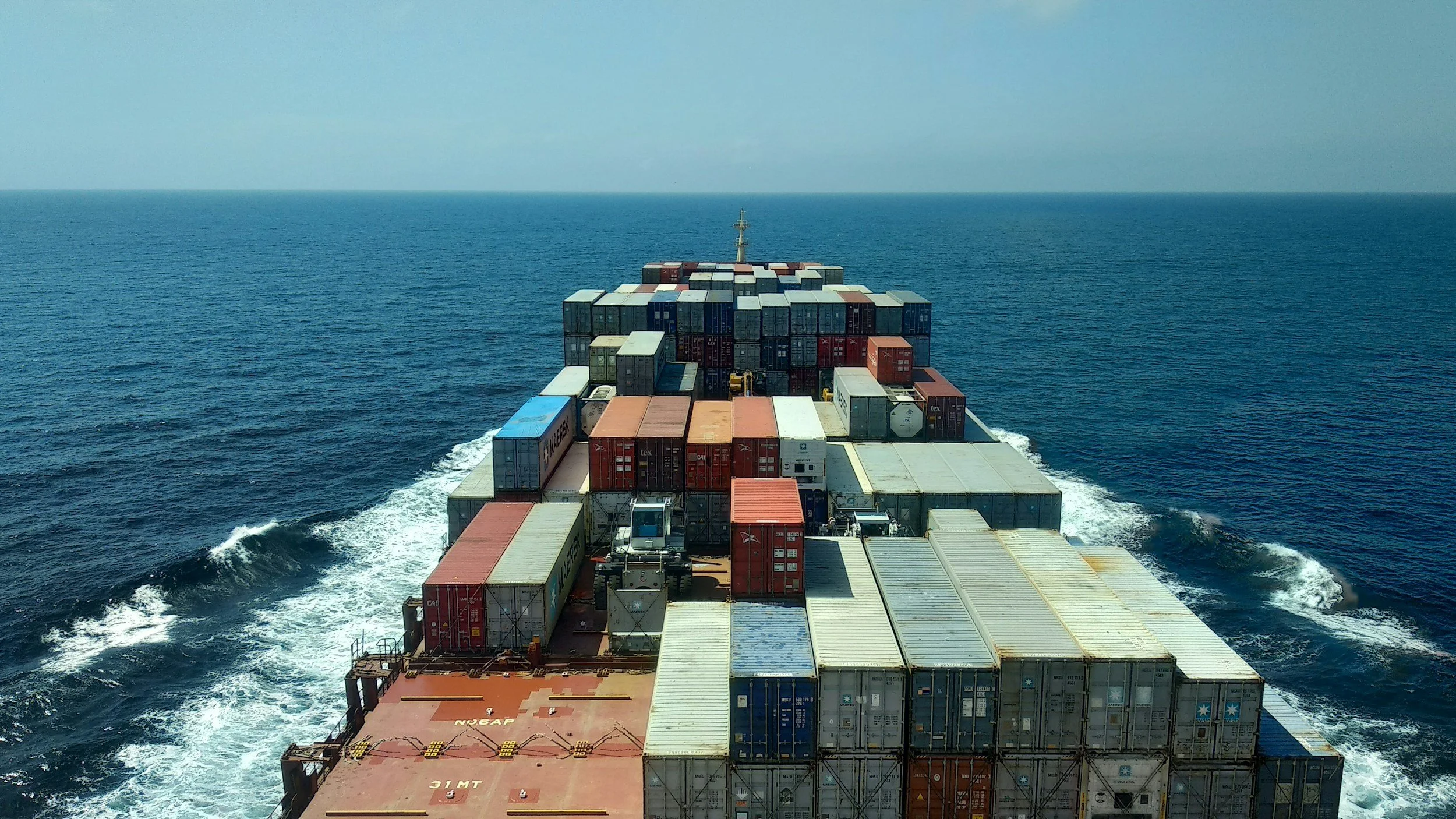
Ammonia is the second-most-produced chemical in the world, backed by a century’s worth of global supply chain and infrastructure. This article explores ammonia’s history, as well as how modern processes have opened the door to harnessing the chemical as a carbon-free energy source.
In preparation for this article, I interviewed Edward Cubero, a Strategy and Business Development specialist at Amogy, to gather insight into the current state of play in ammonia production. That included an in-depth discussion about the “ammonia rainbow,” how current regulation and governmental incentives are accelerating the energy transition, and more.
content snippet:
“Summer, 1909. The world’s population is growing and it’s hungry. A scarcity of natural fertilisers means that science alone now stands between the global masses and certain famine. At his laboratory in Karlsruhe, Germany, industrial chemist Fritz Haber is busy demonstrating a groundbreaking process for converting atmospheric nitrogen into ammonia under immense heat and pressure. In less than five years’ time, chemical engineer Carl Bosch will demonstrate the same process at an industrial scale and, in doing so, change our world forever.“
the hydrogen economy—made possible by ammonia?
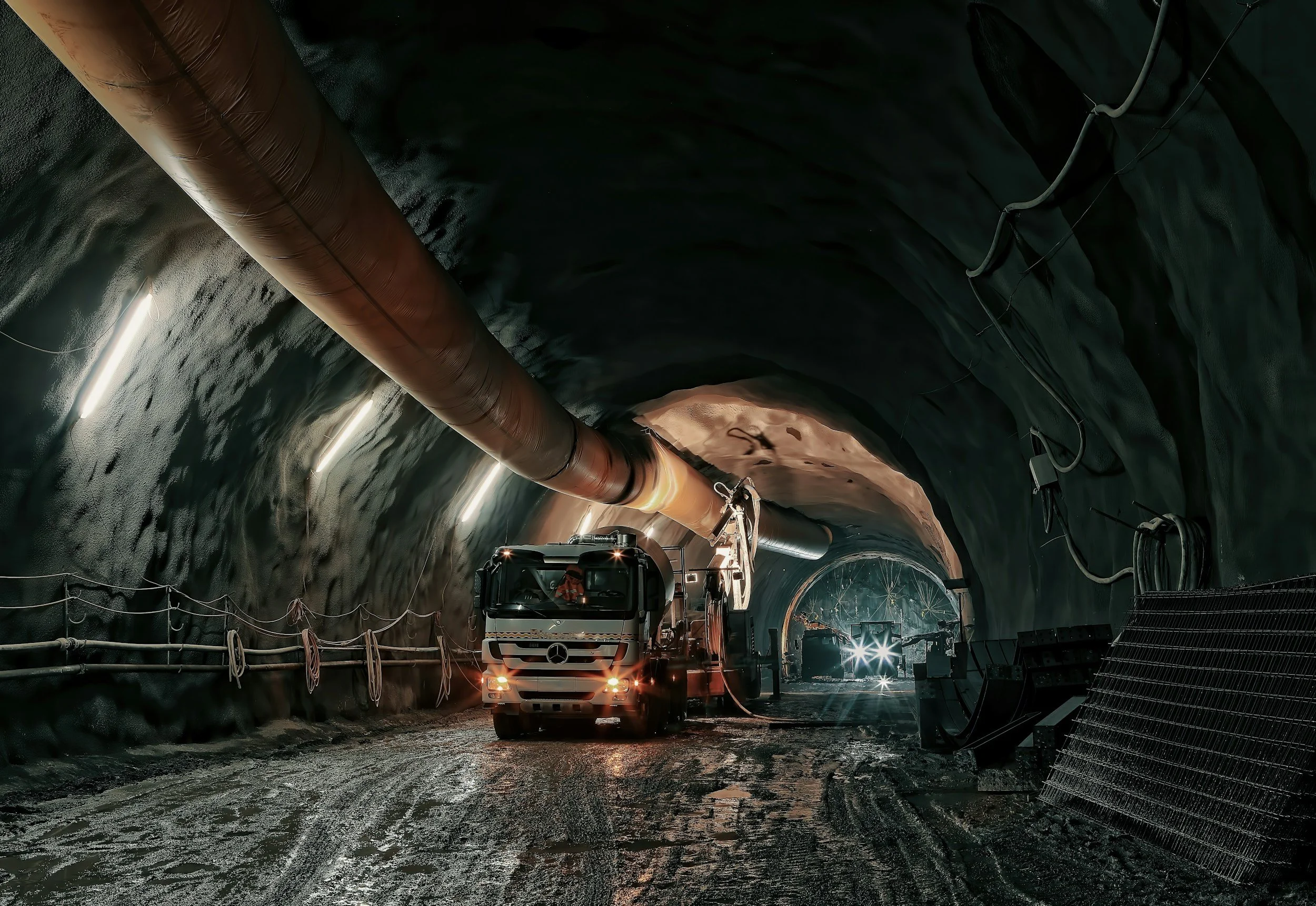
There can be no energy transition without hydrogen. Its abundance and high energy density make it ideal for heavy-duty applications, but there are significant barriers that must be overcome before hydrogen’s potential can be realised. This article explores those challenges, from carbon-intensive production processes to costly and difficult storage.
In preparation for this blog, I interviewed Poornima Natarajan, Senior R&D Strategy Analyst, Amogy, who provided valuable insight into what’s holding the hydrogen economy back, as well as what makes ammonia such a promising hydrogen carrier.
content snippet:
“Hydrogen is energy-dense, making it perfect for heavy industries, and is completely emission-free when produced from renewable sources. It’s also the most abundant chemical in our universe, making up approximately 75% of its elemental mass. But things start to get complicated when we bring things back down to Earth, where hydrogen in its pure form is not readily available. Instead, it’s usually bound to other elements like oxygen in water and nitrogen in ammonia.”
high-efficiency ammonia cracking—a carbon-free foundation for clean hydrogen fuel
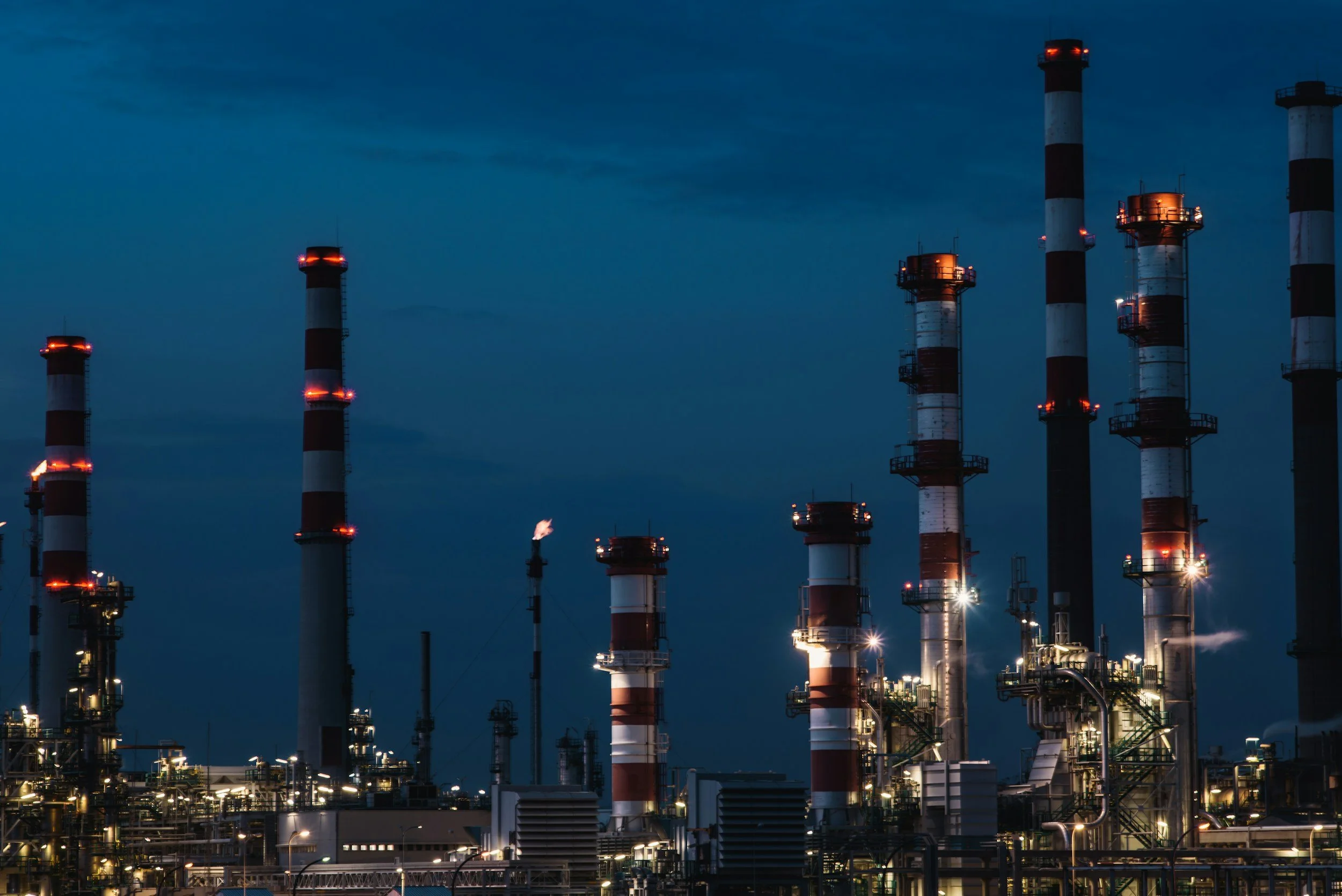
Ammonia cracking is a chemical process that converts—or “cracks”—ammonia into its constituent elements, nitrogen and hydrogen. This article details that process, how it compares to more carbon-intensive alternatives like combustion, and how modern cracking techniques can deliver a carbon-free future built on “green ammonia.”
Due to the technical subject matter, I interviewed Poornima Natarajan, Senior R&D Strategy Analyst, Amogy, as part of my research for this article.
content snippet:
“Crucially, ammonia is carbon-free by chemistry, so unlike other hydrogen carriers, it can be “cracked” without producing harmful emissions. Ammonia cracking is the process of splitting ammonia into its base elements—nitrogen and hydrogen. That hydrogen can then be used to power intensive workloads unsuitable for other clean energy solutions like lithium batteries.”
03 | OUTCOMESdemonstrating knowledge and earning trust
The series of articles gave Amogy a credible voice in a fast-moving, highly scrutinised industry—and helped raise awareness about one of our most promising carbon-free fuels.
accessible insight
Spotlighted ammonia’s potential as a carbon-free fuel in an accessible, engaging way.
showcasing progress
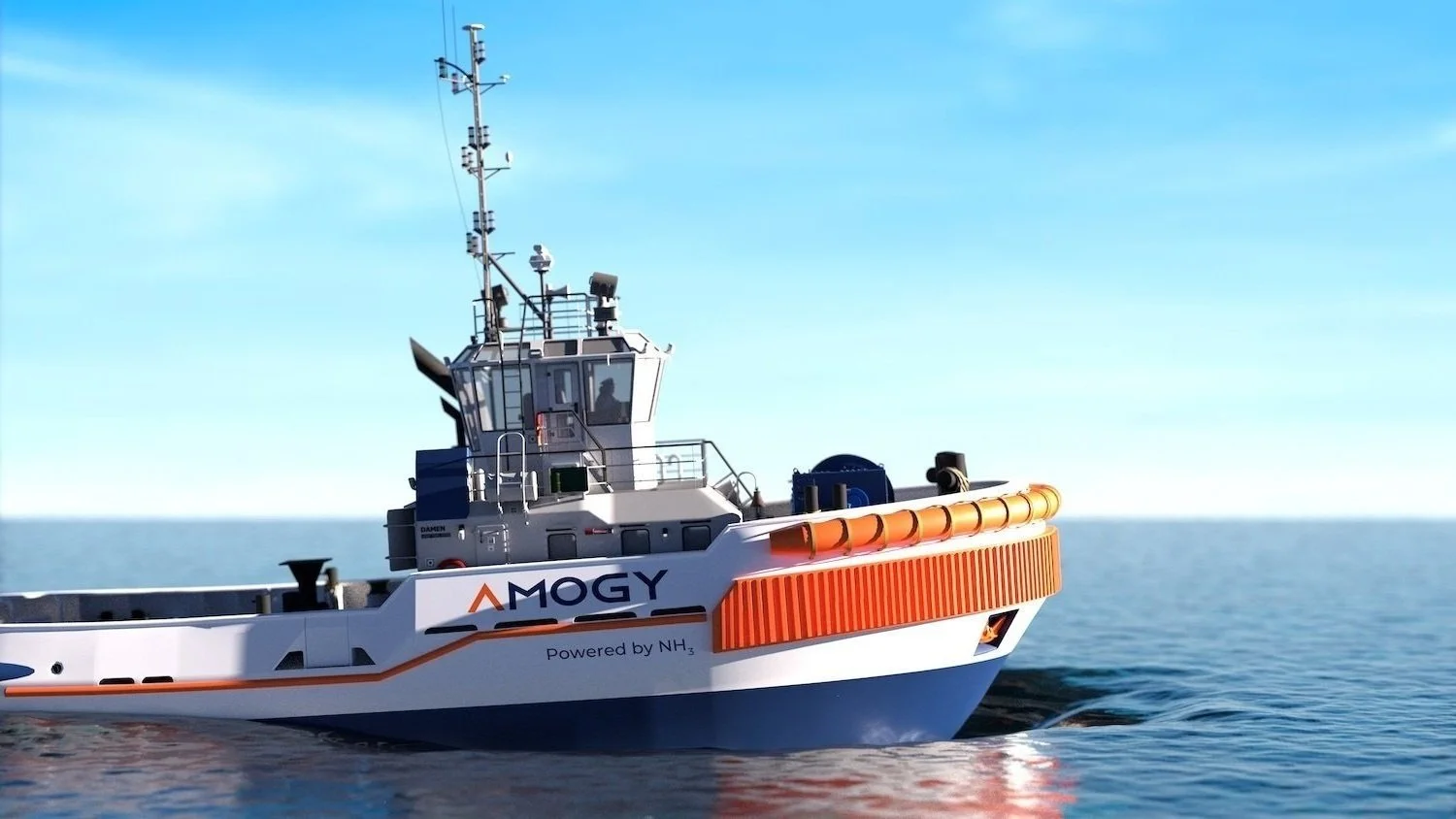
Promoted Amogy’s milestone demos, including the world’s first ammonia-powered tugboat.
brand amplification
Helped Amogy articulate its vision and technology clearly, reinforcing its credibility with potential investors and customers.